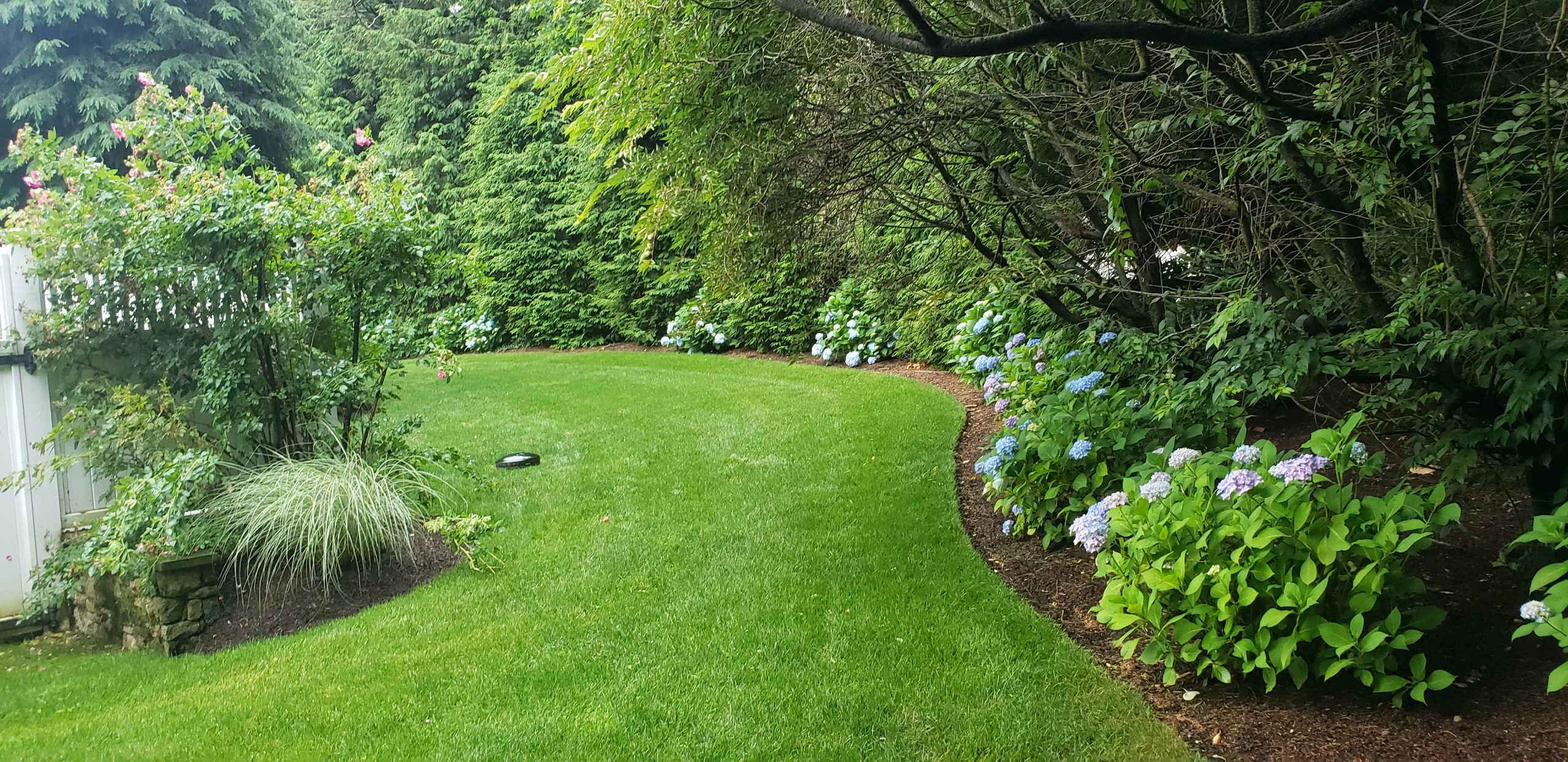
Living along the Connecticut “Gold Coast” in areas like Norwalk, Westport, and Fairfield comes with beautiful views, but it also presents a unique set of challenges for your lawn. Between sandy soil textures and the constant presence of salt spray, a standard “big-box store” fertilizer bag rarely provides the results homeowners expect.
At More Green Landscaping, our team (led by brothers Santos and Jose Martinez) understands that a truly healthy lawn starts from the ground up. As a fully licensed and insured provider of ornamental and turf pest control, we don’t just “spread pellets”-we engineer a environment where your grass can thrive.
Here is how to choose a fertilization program that actually works for our specific coastal environment.
1. Test, Don’t Guess: The Soil pH Factor
Fairfield County soil can vary wildly from one neighborhood to the next. Coastal areas often trend toward higher acidity, which can “lock out” nutrients, making even the best fertilizer ineffective.
- The Professional Approach: Before starting any fertilization program, we recommend a soil test. This tells us exactly which micronutrients are missing and whether we need to apply lime to balance the pH levels.
2. Nitrogen vs. Runoff: The Coastal Balance
Because we are so close to the Long Island Sound, responsible fertilization is critical. Sandy coastal soils allow water and nutrients to move quickly.
- Slow-Release is Key: We utilize high-quality, slow-release nitrogen. This ensures your lawn maintenance yields a steady, deep green color over several weeks rather than a quick “spike” that washes away during the next heavy spring rain.
3. Integrated Pest & Tick Control
In Connecticut, a fertilization program isn’t complete without protecting your family and pets. A lush, thick lawn is the best natural defense against weeds, but insects require a specialized touch.
- Safe & Effective: Our landscaping experts are licensed to apply ornamental and turf pest control. This means we can treat for grubs, chinch bugs, and ticks simultaneously with your feeding schedule, ensuring your outdoor space is as safe as it is beautiful.
4. Aeration: The Secret Partner to Fertilizer
In high-traffic areas like Stamford and Norwalk, soil compaction is a major issue. If the ground is as hard as a brick, fertilizer will simply sit on top and evaporate.
- The Fix: We often pair fertilization with core aeration. By pulling small “plugs” of soil from the ground, we allow oxygen, water, and nutrients to reach the root zone directly. This is the “secret sauce” behind the lawn mowing results you see in the envy-of-the-neighborhood yards.
5. Seasonal Timing (The “Bridge” Program)
Connecticut’s climate requires a “bridge” approach-feeding the lawn in the spring to wake it up, protecting it during the summer heat, and strengthening the roots in the fall for the winter freeze.
- Fall is for Roots: While spring gets all the glory, fall fertilization is actually the most important for long-term health. It builds the carbohydrate reserves your grass needs to survive the winter and green up early next year.
Experience the “More Green” Difference
Don’t settle for a one-size-fits-all lawn care plan. Whether you need a full stone work transformation or a professional, licensed fertilization strategy, the Martinez brothers and the More Green Landscaping crew are here to help.
Is your lawn ready for a coastal-strength reboot? Contact us today for a custom fertilization quote.