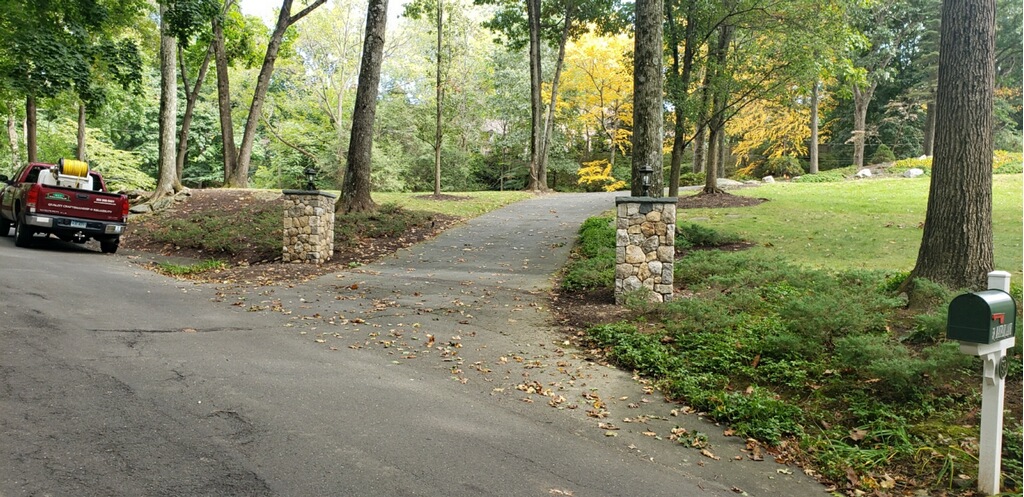
A beautiful landscape is often defined as much by what you remove as what you plant. Over time, many Fairfield County properties become overgrown with invasive species or outdated shrubbery that chokes out desirable plants and drags down property value. At More Green Landscaping, we believe that true curb appeal begins with a clean, healthy slate.
Identifying the “bullies” in your garden is the first step toward reclaiming your outdoor space. Here is how to spot the plants that are working against your landscape’s health and aesthetic.
Identifying Common Invasive Species in Connecticut
Invasive plants are more than just a nuisance. They are biological threats that spread aggressively, outcompeting the native flora that local pollinators depend on. In our region, several specific species are notorious for ruining curb appeal:
- Oriental Bittersweet: This climbing vine can quickly wrap around ornamental trees, eventually strangling them and causing structural failure.
- Burning Bush: While popular for its red autumn foliage, this shrub is highly invasive in Connecticut and creates dense thickets that prevent other plants from growing.
- Japanese Knotweed: Known for its bamboo-like stalks, this plant can grow through asphalt and even damage foundations if left unchecked.
If you suspect your property is being overtaken, our team can provide a professional assessment as part of our comprehensive lawn care services. Removing these plants correctly is vital, as many can regrow from a single fragment of root left in the soil.
The Problem with Outdated and Overgrown Shrubbery
Sometimes, the plant killing your curb appeal isn’t a weed but a specimen that has simply outlived its welcome. Old, “woody” shrubs that have grown into the siding of your home or blocked your windows create a cluttered, neglected look.
Overgrown foundation plantings can also trap moisture against your home’s exterior, leading to rot or pest issues. By replacing these tired specimens with modern, customized fertilization programs and fresh plant selections, you can instantly modernize the look of your estate.
Safe and Effective Removal Strategies
Removing established invasives or large, dead shrubs requires more than just a pair of loppers. To ensure these plants do not return, a strategic approach is necessary:
- Mechanical Extraction: We use specialized tools to remove the entire root ball, which is essential for species like multiflora rose.
- Soil Restoration: After removal, the soil is often depleted. We recommend a soil health analysis to determine which nutrients need to be replaced before new planting begins.
- Native Replacement: The best defense against invasives is a strong offense. Planting aggressive, native groundcovers or hearty shrubs ensures that the “bad” plants have no room to return.
Reclaim Your Landscape with More Green Landscaping
Don’t let invasive vines and overgrown shrubs hide the true beauty of your home. Whether you are dealing with a shoreline property facing salt-stressed vegetation or an inland estate with an invasive species problem, our experienced team is ready to help.
Ready to refresh your curb appeal? Contact More Green Landscaping today for a professional consultation and let us help you restore the health and elegance of your Fairfield County property.